Surveillance Systems and Their Role in Monitoring Roulette Play at Montreal Casinos
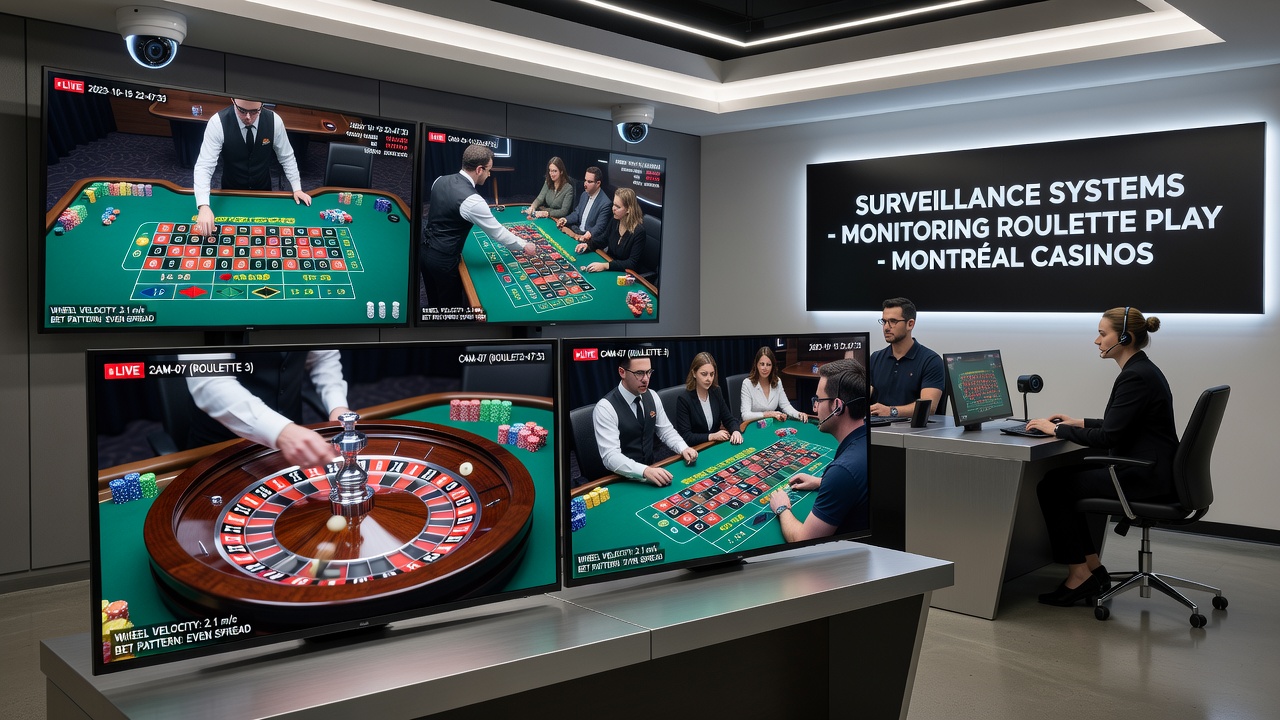
Casino operators in Montreal rely on layered surveillance networks to track every spin and wager at roulette tables, and these systems combine high-definition cameras with real-time analytics that flag unusual patterns in wheel behavior or betting sequences. The Casino de Montréal and nearby venues maintain dedicated control rooms where staff review live feeds and recorded footage around the clock, while software tools cross-reference dealer actions against expected outcomes to identify potential irregularities such as wheel bias or coordinated player movements.
Core Components of Casino Surveillance Networks
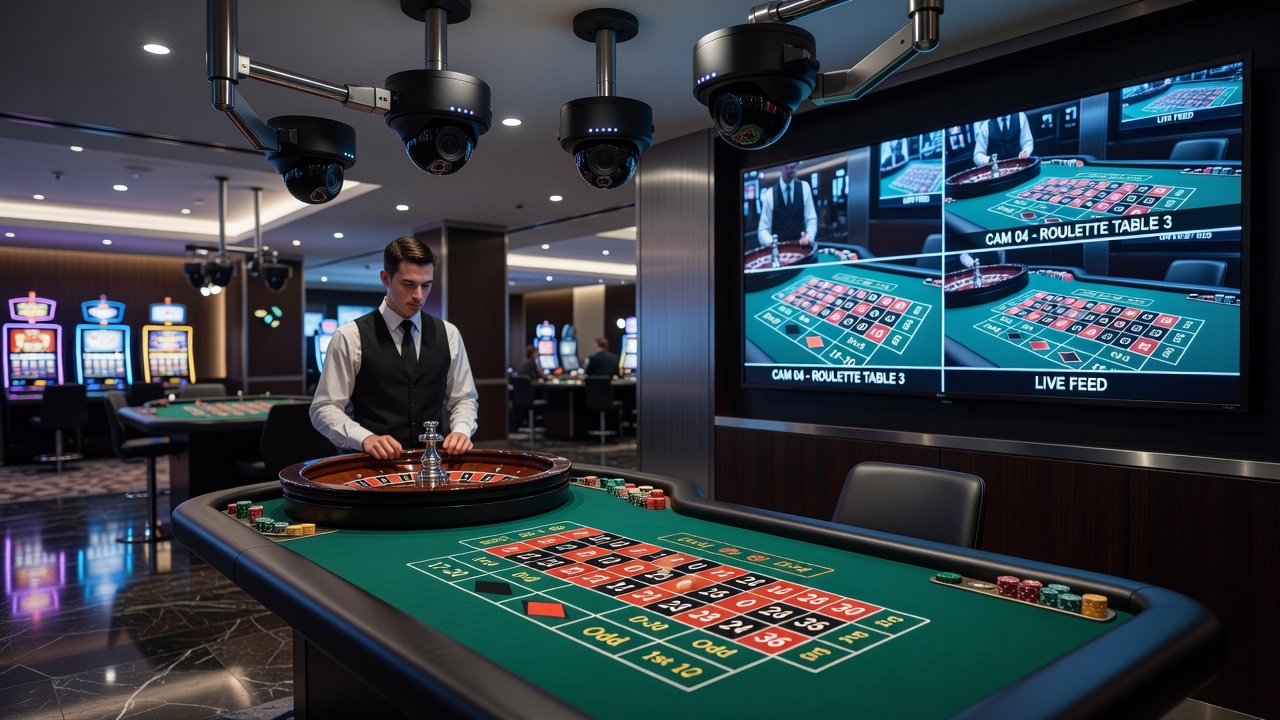
Modern installations feature overhead cameras positioned above each roulette layout, and these units capture both the wheel and the betting felt in continuous high-resolution streams that feed into centralized servers. Additional floor-level cameras track chip handling and player interactions, while microphones embedded in table rails record verbal exchanges between dealers and guests. Data from these sources merges with point-of-sale terminals that log every chip movement, creating a comprehensive record that regulators can audit on demand.
Technicians calibrate the equipment regularly to maintain clarity across varying lighting conditions, and updates scheduled for November 2026 include enhanced infrared capabilities that improve visibility during low-light evening hours when table traffic peaks. Observers note that such upgrades align with broader industry shifts toward integrated digital platforms capable of storing weeks of footage in searchable formats.
Techniques for Tracking Roulette-Specific Activities
Analytics programs scan betting patterns for deviations that might indicate advantage play or collusion, and the software compares actual wheel outcomes against statistical norms to detect mechanical inconsistencies. When a sequence of results falls outside programmed thresholds, the system generates alerts that prompt live review by security personnel. Staff then correlate the alert with player identities drawn from loyalty program databases or facial recognition matches, allowing rapid assessment without interrupting ongoing games.
Dealers undergo periodic observation to verify consistent spin speeds and proper chip payouts, while hidden sensors embedded in the wheel assembly transmit rotational data to the same monitoring dashboard. This multi-source approach helps distinguish between random variance and deliberate manipulation attempts, and records from these checks contribute to training modules that refine dealer procedures across Quebec facilities.
Regulatory Oversight and Data Retention Standards
The Régie des alcools, des courses et des jeux sets minimum requirements for camera coverage and footage retention, and Montreal operators must archive recordings for at least 30 days while providing immediate access during inspections. Provincial guidelines also mandate annual third-party audits that test system integrity and verify that no blind spots exist around roulette areas. Compliance documentation includes logs of every alert generated and the resolution steps taken by security teams.
Cross-border comparisons appear in industry reports that reference practices from the Nevada Gaming Control Board, which emphasize similar camera density standards yet differ in retention timelines. Those differences highlight how local rules shape operational choices while still achieving comparable levels of table oversight.
Integration with Player Behavior Databases
Loyalty systems feed transaction histories into the surveillance platform, and algorithms flag accounts that show sudden shifts in wager size or table selection. When such patterns emerge alongside physical movements captured on camera, investigators can review synchronized video and data overlays to reconstruct events. This combined view supports decisions on whether further monitoring or intervention is warranted, and the process remains internal until evidence meets thresholds for external reporting.
Training for surveillance operators includes modules on roulette probabilities so that reviewers can quickly interpret whether observed outcomes align with expected distributions. Refresher courses scheduled through 2026 incorporate new case studies drawn from recent incidents at Quebec properties, ensuring staff stay current with evolving tactics.
Conclusion
Surveillance infrastructure at Montreal casinos forms an interconnected web that continuously documents roulette activity from multiple angles, and the combination of visual, audio, and transactional data creates a durable audit trail. As technology refreshes occur in November 2026 and beyond, these networks will incorporate additional analytical layers while remaining subject to the same provincial standards that govern access and retention. The result is a monitoring environment designed to maintain game integrity across all tables without relying on any single detection method.